Thought leadership
Why traditional energy procurement is failing British businesses this winter
Discover how businesses can gain greater control over costs and exposure this winter.

17 Aug 2026
Fixing a price is not the same as escaping the wholesale market.
Every October, many British businesses make procurement decisions that shape their energy costs for the years to come. This year, they are renewing into a market unsettled by ongoing, recurrent geopolitical disruption and volatile international gas prices.
With gas still setting UK electricity prices around 60% of the time, the contracts agreed now will determine how exposed businesses remain when the next shock hits.
Winter exposes a structural problem
The problem becomes more acute in winter, when demand rises and the system has less room to absorb disruption. Under marginal pricing, the final unit needed to meet demand sets the wholesale electricity price. Renewable power may be available at low cost, but when gas-fired generation is needed to close the gap, gas sets the price for the whole market.
That leaves electricity costs tied to forces beyond businesses’ control. Cold snaps, low wind, infrastructure disruption and geopolitical conflict can all push gas prices higher. To give just one example: between late February and late March 2026, conflict in the Middle East drove UK wholesale gas prices up by roughly 75%.
The next trigger may differ, but the route through which it reaches British businesses remains the same.
Fixed does not always mean protected
Fixed-price contracts can provide valuable budget certainty by shielding buyers from day-to-day market movements. But fixing a price is not the same as escaping the wholesale market. Supplier offers are shaped by prevailing wholesale prices, future market expectations and the risk of supplying power over the contract period. When uncertainty is high, that risk can be priced into the deal before it is signed.
Power purchase agreements (PPAs) can present a similar challenge. Many PPAs link a business to the output of a particular wind or solar project, offering a fixed price over a longer term. But this also ties the buyer to the generation profile of that asset, which is unlikely to match exactly when and how the business uses electricity.
When generation falls short, the difference may still need to be bought through the wholesale market. When it exceeds demand, the surplus may need to be sold back into it. This volume and shape risk means a fixed-price PPA can offer a partial reprieve from volatility without providing a complete escape. PPAs can also be complex to negotiate and manage, placing them beyond the reach of many small and medium sized businesses.
The decision businesses make now
No business can predict what will move energy markets this winter. But it can decide how much of that disruption its next contract passes through. That is why the autumn renewal window matters. The question is not simply whether to fix a price or wait for the market to settle, it is whether the procurement model provides the control and certainty needed for the year ahead.
There is an alternative. As we’ve written before, waiting for the market to settle isn’t a neutral choice either — delaying a decision can simply mean paying for volatility later instead of now.
Our new white paper, The winter volatility tax hitting British business, examines how alternative models can offer greater control and provide an escape from the wholesale market.
Download the white paper to get the full picture.
Key takeaways
Why are British businesses still exposed to energy price volatility? Gas continues to set UK electricity prices much of the time, meaning geopolitical disruption, cold weather, low wind and infrastructure constraints can quickly feed through into business energy costs.
Do fixed-price contracts and PPAs fully protect businesses from wholesale market risk? Not always. Fixed contracts can price risk in upfront, while PPAs may still leave buyers exposed to volume and shape risk when generation does not match demand. Alternative procurement models can offer greater control and certainty.
What makes UrbanChain different? UrbanChain’s marketplace directly matches buyers and sellers of renewable energy, protecting them from exposure to the wholesale market and no certificates required. Prices can be agreed in advance, locking in stability and giving greater control. By reducing middlemen involvement and emphasising local matching where possible, UrbanChain keeps costs low, which translates to competitive rates for buyers and sellers alike.
FREE YOUR ENERGY.
See how UrbanChain's renewable energy operating system delivers stable, traceable power - built for serious operations.
News
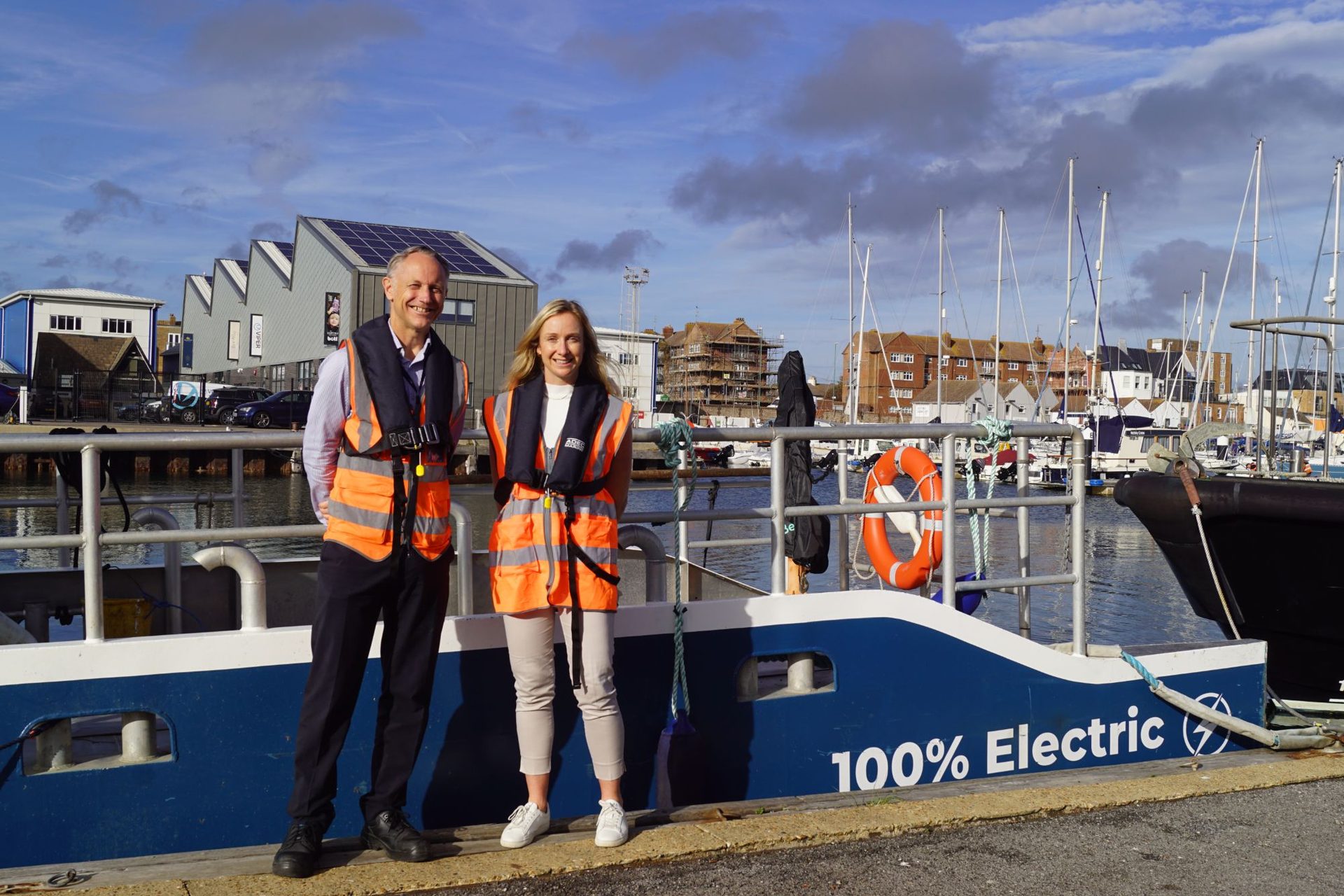
UrbanChain powers Shoreham Port as major UK port accelerates journey to meet 2035 clean energy target
UrbanChain is now supplying electricity to Shoreham Port's 115-acre estate, supporting the Port's ambition to reach net-zero Scope 1 and 2 emissions by 2035.
Thought leader
The British Industrial Competitiveness Scheme (BICS) explained: eligibility, savings and how to apply
Find out if your business is eligible for BICS, how much your business could save and what you need to prepare before applying.

Q+A
Gary Hart on Purpose, Growth and Operations
Gary Hart, Head of Customer Operations at UrbanChain, shares his thoughts on joining UrbanChain after nearly 30 years in energy, what it takes to deliver service excellence at scale, and his ambitions for the years ahead.